
Sleep Apnea
Sleep Better With Our Treatment
Find Real Relief for Your Sleep Apnea in Lincroft
Sleep apnea treatment can give you better rest, more energy, and sharper focus during the day. A custom dental appliance can help you sleep more soundly through the night and wake up feeling genuinely rested instead of dragging yourself through the morning. It will reduce or eliminate snoring, so your partner also gets a better night's rest.
Treating sleep apnea in Lincroft also lowers your risk of serious health consequences linked to untreated apnea. Our team will perform a screening and refer you to a physician for a sleep study if needed. This helps you get the right diagnosis and the most effective treatment for your situation.
Common Questions About Sleep Apnea
What is sleep apnea?
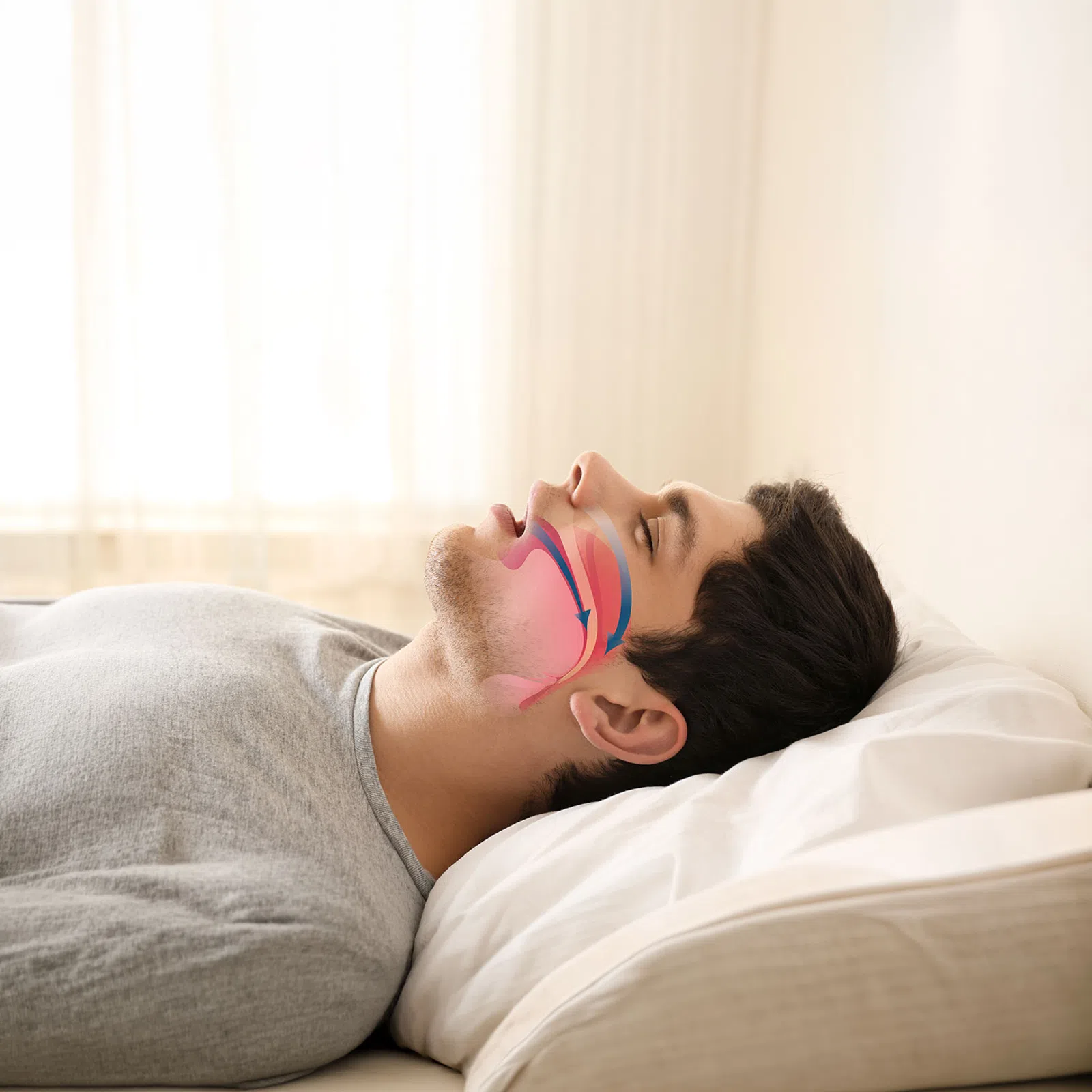
Sleep apnea occurs when you repeatedly stop breathing while sleeping. It is caused by your air passages becoming blocked by your tongue and other soft tissues in the rear of your throat. When they block your airway, you stop breathing for a few seconds before waking up briefly to take in more air. The sleep apnea cycle can repeat itself hundreds of times per night in severe sleep apnea sufferers.
Why is sleep apnea bad?
Sleep apnea is harmful because it blocks your oxygen supply while you're sleeping. This interferes with your sleep and leaves you feeling weak and tired the next day. Sleep apnea has also been linked to serious health concerns like heart attacks, strokes, high blood pressure, diabetes, and depression. Getting sleep apnea treatment can improve your quality of life as well as your life expectancy.
How is sleep apnea treated?
CPAP therapy is often the first recommended treatment for sleep apnea. While CPAP is effective, many people have trouble getting used to having air blown through their mouth and nose. For some cases, a custom-fit sleep appliance is a good alternative. It will fit comfortably in your mouth while you sleep, moving your lower jaw forward to keep your air passages open.
How does sleep apnea affect the body?
Besides disrupting your sleep patterns and leaving you exhausted during the day, sleep apnea has been linked to several major health concerns. Sleep apnea contributes to heart attacks, strokes, high blood pressure, heart failure, diabetes, and depression. Getting help for sleep apnea now can improve your health and potentially help you live longer.
What are the most common signs of sleep apnea?
Loud snoring, waking up gasping or choking, and feeling exhausted despite a full night of sleep are among the most common signs of sleep apnea. Other symptoms include morning headaches, difficulty concentrating during the day, irritability, and falling asleep easily in quiet situations. A bed partner often notices the snoring or breathing interruptions before the person with sleep apnea does.
What health problems are linked to untreated sleep apnea?
Untreated sleep apnea has been linked to several serious health conditions, including high blood pressure, heart attack, stroke, type 2 diabetes, and depression. Repeated interruptions in breathing place significant stress on the cardiovascular system over time. Addressing sleep apnea early reduces these risks and leads to meaningful improvements in overall health and quality of life.
How is sleep apnea diagnosed?
Sleep apnea is diagnosed through a sleep study, which monitors your breathing, oxygen levels, and sleep patterns overnight. A physician reviews the results and determines whether sleep apnea is present and how severe it is. Your dentist can perform an initial screening and refer you to a physician who can order the appropriate sleep study based on your symptoms.
Is an oral appliance for sleep apnea comfortable to wear?
Most patients adjust to wearing an oral appliance for sleep apnea within a few weeks. The appliance is custom-fitted to your mouth, which makes it more comfortable than over-the-counter options. Some mild jaw soreness or increased saliva production is normal early on as your mouth adapts. Your dentist will schedule follow-up visits to make any adjustments needed for a better fit and greater comfort.


